
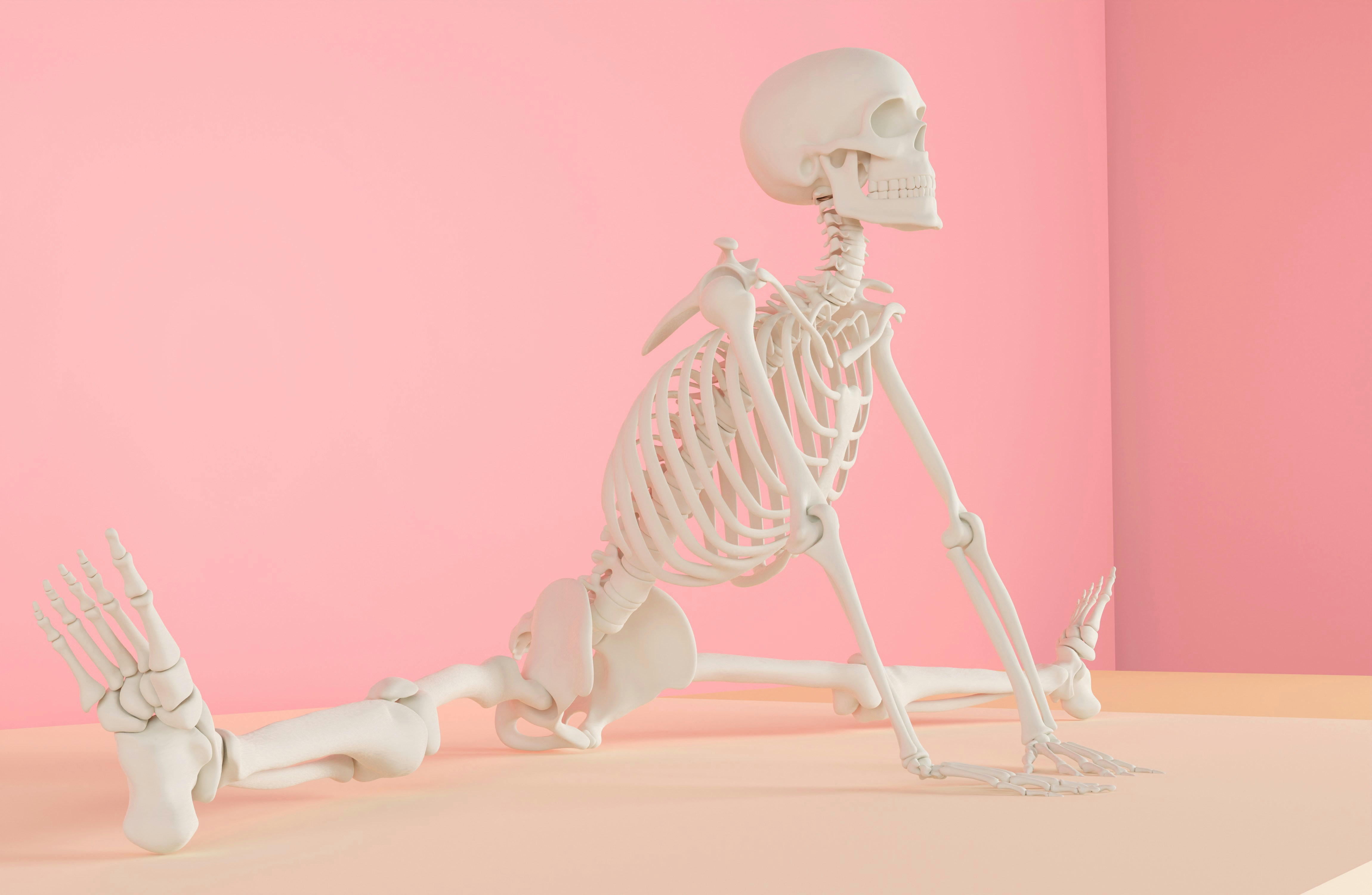
Bone health often takes a backseat during perimenopause and menopause, but the changes your body goes through can hit your bones harder than you expect. Lower bone mineral density raises the risk of fractures, yet tools like the DEXA scan and FRAX calculator can help you stay ahead. This guide covers what foods support your bones, how strength training fits in, and why smoking, alcohol, and dieting choices matter more than you think.
Understanding Your Bones During Menopause
Let’s talk about what’s really happening inside your body. As estrogen levels drop during perimenopause and menopause, your bones start losing density faster than before. Think of bone mineral density as your skeleton’s strength score. When it drops too low, you’re looking at a higher chance of fractures from simple falls or even everyday activities.
The good news? You’re not powerless here. Understanding where you stand with bone health means you can take action before problems start.
Getting the Right Tests: DEXA and FRAX
If you’re wondering whether your bones are holding up, a DEXA scan is your best friend. This quick, painless test measures your bone mineral density and tells you exactly where things stand. Most women should get their first scan around menopause or earlier if risk factors are present.
Once you have your DEXA scan results, your doctor might use something called the FRAX calculator. This tool estimates your 10-year risk of fracture based on your bone density and other factors like age, weight, and family history. It’s like having a crystal ball for your bone health, helping you and your healthcare team make smart decisions about prevention and treatment.
Foods for Bone Health: Eating Your Way to Stronger Bones
Here’s where things get tasty. The right foods for bone health can make a real difference. Calcium and vitamin D are the superstars, but they’re not alone.
Load up on dairy products like yogurt, cheese, and milk. Not a dairy fan? No problem. Leafy greens like kale and collard greens pack a calcium punch. Fatty fish such as salmon and sardines bring both calcium and vitamin D to the table. Don’t forget fortified foods like orange juice and cereals.
Protein matters too. Your bones are living tissue that needs protein to stay strong. Include lean meats, beans, nuts, and seeds in your meals. Prunes have gotten attention lately for supporting bone health, so throw a handful into your morning oatmeal.
Vitamin K from green vegetables and magnesium from nuts and whole grains round out your bone-building nutrition plan. Diet and bone health are deeply connected, so what you eat today shapes your skeleton tomorrow.
Strength Training: Your Secret Weapon
Here’s something that surprises many women: bone strength training isn’t just about muscles. When you lift weights or do resistance exercises, you’re actually telling your bones to get stronger too.
Weight-bearing exercises like walking, dancing, and climbing stairs force your bones to work against gravity. Resistance training with bands, weights, or your own body weight takes it further by creating the kind of stress that triggers bone building.
You don’t need to become a bodybuilder. Start with light weights or resistance bands two to three times per week. Focus on exercises that work your spine, hips, and wrists since these areas are most at risk for fractures. Even 20 minutes a few times weekly makes a difference.
What’s Hurting Your Bones: Smoking, Alcohol, and Crash Diets
Let’s get real about the habits that sabotage bone health. Smoking effects on bone are serious. Cigarettes interfere with calcium absorption and reduce estrogen levels even further. If you smoke, quitting is one of the best gifts you can give your bones.
Alcohol effects on bone health depend on how much you drink. A glass of wine with dinner probably won’t hurt, but regular heavy drinking interferes with bone formation and increases fracture risk. Keep it moderate.
Crash diets and extreme calorie restriction are bone killers. When you drastically cut calories, your body doesn’t get enough nutrients to maintain bone density. Plus, losing too much weight too fast can trigger hormonal changes that weaken bones further. Aim for balanced, sustainable eating instead.
Taking Action Today
Your bones are counting on you to make smart choices starting now. Schedule that DEXA scan if you haven’t had one. Fill your plate with calcium-rich foods and get moving with strength exercises. If you smoke, reach out for help quitting. Keep alcohol in check and ditch the fad diets.
Remember, protecting your bone health now means staying active and independent for years to come. You’ve got this, and we’re here to support you every step of the way.
Frequently Asked Questions
When should I get my first DEXA scan?
Most women should get a baseline DEXA scan around age 65, or earlier if you reach menopause before 50 or have risk factors like family history of osteoporosis, smoking, or long-term steroid use. Talk to your doctor about timing that makes sense for your situation.
How much calcium do I really need each day?
Women over 50 need about 1,200 mg of calcium daily, along with 800 to 1,000 IU of vitamin D. You can get this from food sources like dairy, leafy greens, and fortified foods, or through supplements if your diet falls short. Spread calcium intake throughout the day for better absorption.
Can I reverse bone loss after menopause?
While you can’t fully reverse significant bone loss, you can slow it down and even build some bone back through consistent strength training, proper nutrition, and sometimes medication. Starting early gives you the best results, but it’s never too late to take action.
What type of exercise is best for preventing osteoporosis?
Weight-bearing exercises like walking, jogging, and dancing combined with resistance training using weights or bands work best. Aim for at least 30 minutes of weight-bearing activity most days and strength training two to three times per week. Focus on exercises that challenge your balance too.
Does coffee hurt my bone health?
Moderate coffee consumption (2-3 cups daily) doesn’t significantly harm bone health as long as you’re getting enough calcium. The concern comes when caffeine replaces calcium-rich beverages or when you drink excessive amounts. Just make sure you’re meeting your calcium needs through food or supplements.

 Splash